

What Is Urinary Retention and Why Does It Require Specialist Care?
Urinary retention is a condition in which the bladder cannot fully empty during urination, or in acute cases, cannot empty at all. There are two distinct forms. Acute urinary retention is a sudden, complete inability to urinate and constitutes a medical emergency requiring immediate attention. Chronic urinary retention develops more gradually, often leaving a person unable to fully empty the bladder over an extended period of time. Many patients with the chronic form are not even aware of how incomplete their bladder emptying has become until they are properly evaluated.
This condition is real, diagnosable, and treatable. If you have been dismissing your symptoms or feeling embarrassed to bring them up, you are far from alone. Many patients wait far longer than necessary before seeking care, often because they assume a general practitioner is their only option or that nothing more can be done.
The diagnostic complexity of urinary retention is significant. There are multiple underlying causes that must be properly identified before an appropriate treatment plan can be built. A primary care physician is typically not equipped to conduct the full diagnostic workup this condition warrants, and the range of advanced treatment options available through a dedicated specialist is simply not available in a general practice setting. Incontinence Centers of America treats only bladder and bowel conditions. This exclusive focus means our team has evaluated and managed urinary retention across its full spectrum, from early-stage chronic symptoms to complex cases requiring advanced intervention.
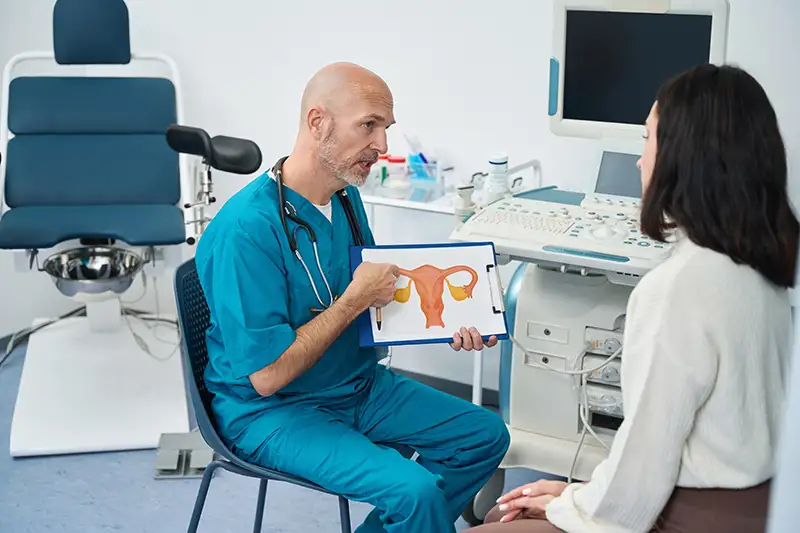
Symptoms of Urinary Retention: What Patients in Colorado Are Experiencing
Urinary retention does not always look the same from one patient to the next, which is part of why it can go unrecognized for so long. The following symptoms are commonly reported by patients who come to Incontinence Centers of America for evaluation:
- Difficulty starting urination: A noticeable delay or strain when attempting to begin urinating, even when the urge is present
- Weak or interrupted urine stream: The flow of urine is reduced in force, stops and starts, or does not feel consistent
- Feeling that the bladder is never fully empty: A persistent sense that urination has not completed, even after leaving the restroom
- Frequent urge to urinate with little output: A strong or recurring need to go, but very little urine passes when the attempt is made
- Lower abdominal discomfort or pressure: A feeling of fullness, heaviness, or mild pain in the lower abdomen, particularly after attempting to urinate
- Waking at night to urinate repeatedly: Nocturia, or waking two or more times per night, can accompany incomplete bladder emptying
It is important to note that chronic urinary retention is often silent. Because the condition develops gradually, many patients adapt to the sensation of incomplete emptying and do not recognize it as abnormal until a specialist measures what is actually remaining in the bladder after urination. This measurement, called a postvoid residual, is a standard part of the diagnostic process and often reveals retained urine volumes patients never expected.
If you experience a sudden, complete inability to urinate, seek emergency medical care immediately. Acute urinary retention is a medical emergency and requires urgent intervention.
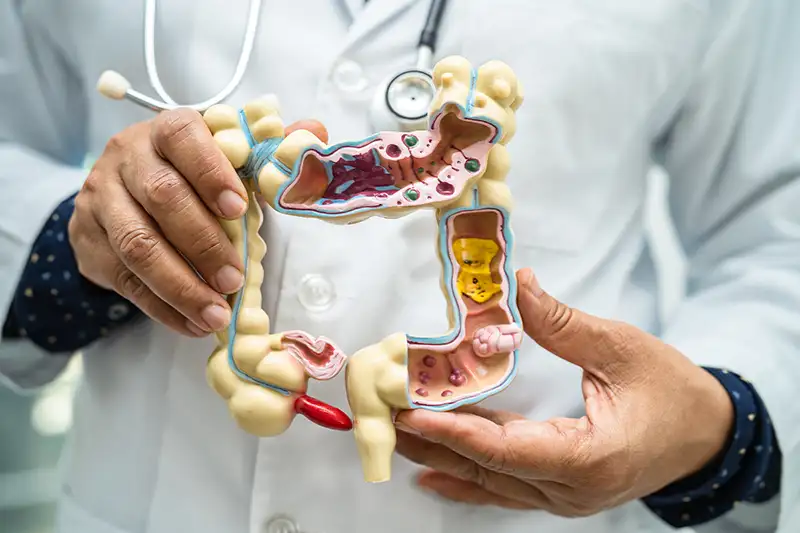
What Causes Urinary Retention? Understanding the Root of the Problem
Identifying the cause of urinary retention is essential before any treatment plan can be built. The condition can arise from several distinct categories of underlying problems, and in some cases, multiple causes are involved simultaneously.
Nerve-related causes: The bladder depends on continuous, coordinated communication between the brain and the bladder muscles to function correctly. When that bladder-brain communication pathway is disrupted, whether by a neurological condition, nerve damage, or spinal issues, the bladder may lose the ability to contract fully and empty on command. This is one of the most common and treatable root causes, and it is the mechanism that sacral neuromodulation therapy is specifically designed to address.
Bladder muscle dysfunction: In some patients, the bladder muscle itself becomes too weak, overactive, or poorly coordinated to generate the sustained contraction needed for complete emptying. This can develop gradually and may not cause obvious symptoms until the problem is well established.
Obstruction: Anatomical blockages can prevent urine from flowing freely out of the bladder. These structural causes vary depending on the individual patient and are identified through a thorough diagnostic evaluation.
Medication side effects: A range of commonly prescribed medications can affect bladder muscle function or the nerve signals that control urination. A specialist evaluation includes a review of current medications as a standard step in identifying contributing factors.
Post-surgical urinary retention: Temporary or prolonged difficulty urinating after surgery is a recognized complication. In some patients, this resolves on its own; in others, it persists and requires targeted treatment.
Understanding which of these factors is driving your symptoms is the foundation of effective care. A specialist evaluation at Incontinence Centers of America is designed to identify the specific cause and match it to the right treatment pathway.
Urinary Retention Treatment Options: From Conservative Care to Advanced Therapy
For someone searching for urinary retention treatment near you in Colorado, the most important thing to understand is that effective options exist across a wide spectrum, and the right approach depends on your specific diagnosis, history, and how your symptoms have responded to prior care.
Conservative approaches are typically the starting point. Bladder training techniques can help retrain the bladder’s emptying patterns over time. Pelvic floor physical therapy addresses muscle dysfunction that may be contributing to incomplete emptying. In some situations, catheterization is used on an intermittent or temporary basis to relieve retention and protect bladder health. Medication review and adjustment can also resolve or reduce symptoms when a drug side effect is identified as a contributing cause. These approaches are appropriate for many patients, particularly earlier in the course of the condition.
For patients who have not found sufficient relief through conservative care, sacral neuromodulation offers an advanced treatment pathway. This therapy works by restoring normal communication between the brain and the bladder, addressing retention at the level of its neurological root cause rather than managing symptoms at the surface. Axonics Therapy is an FDA-cleared sacral neuromodulation device that Incontinence Centers of America offers as an advanced option for qualifying patients. It is not a treatment of last resort. It is a clinically supported option that is appropriate for patients who have not responded adequately to initial treatments and who meet the candidacy criteria established through a specialist evaluation.
A practice dedicated entirely to bladder and bowel conditions has evaluated patients across this full treatment spectrum. The team at Incontinence Centers of America does not route every patient toward advanced intervention, and they do not keep patients on conservative approaches that are not working. The treatment plan is built around what the individual patient’s condition actually requires.
Why Choose Incontinence Centers of America for Urinary Retention Treatment in Colorado?
Choosing where to receive care for a condition that is personal matters. There is a meaningful difference between being seen at a general clinic where bladder conditions are one of dozens of concerns, and being evaluated by a team whose entire practice is built around conditions exactly like yours.
Exclusive specialization: Incontinence Centers of America treats bladder and bowel conditions only. Every diagnostic protocol, every treatment option, and every member of the care team is oriented around this single focus. Patients are not working with generalists who occasionally manage incontinence or retention. They are in the hands of specialists for whom this is the entire scope of practice.
Three Colorado locations: The practice serves patients from three locations: Englewood, the Lone Tree Surgery Center, and Colorado Springs. Whether you are in the South Denver corridor or in southern Colorado, there is a location accessible to you without traveling out of state for specialized care.
Collaborative multi-physician team: Three specialized physicians work together across the practice, bringing a depth of shared clinical experience to patient care. When your case requires it, you benefit from a team evaluation rather than a single provider’s perspective.
Insurance accepted: Incontinence Centers of America accepts most major insurance plans, including Aetna, Anthem, BlueCross BlueShield, Humana, Medicare, and United Healthcare. Insurance coverage should not be a barrier to getting a specialist evaluation, and for most patients, it will not be.
Personalized care, not a protocol: Patients are not processed through a one-size-fits-all treatment pathway. The evaluation and plan are built around your specific symptoms, history, and goals. Patients consistently describe feeling heard rather than hurried.
No referral required: You do not need a referral from a general practitioner to be seen at Incontinence Centers of America. If you are experiencing symptoms of urinary retention and want a specialist evaluation, you can request an appointment directly.
Serving Urinary Retention Patients Across Colorado: Denver Metro and Colorado Springs
Frequently Asked Questions: Urinary Retention Treatment in Colorado
What are the treatment options for urinary retention in Colorado?
Treatment options for urinary retention range from conservative approaches to advanced therapy, depending on the severity and underlying cause of the condition. Conservative options include bladder training, pelvic floor physical therapy, catheterization where clinically appropriate, and medication review or adjustment. For patients who have not found adequate relief through those initial approaches, Axonics Therapy, an FDA-cleared sacral neuromodulation treatment, is available as an advanced option for qualifying patients. At Incontinence Centers of America, each patient’s treatment pathway is determined through an individualized evaluation with a bladder and bowel specialist, not through a standardized protocol.
Is urinary retention a serious condition that requires specialist care?
Yes, urinary retention should be evaluated by a specialist, particularly when symptoms are recurring, progressive, or interfering with daily life. Acute urinary retention, in which a person is completely unable to urinate, is a medical emergency requiring immediate care. Chronic urinary retention, which develops gradually and may feel like a mild inconvenience, is often underdiagnosed and can cause lasting bladder damage if left untreated. Many patients are genuinely surprised to learn how treatable the condition is once they receive a proper specialist evaluation at a practice like Incontinence Centers of America.
Does insurance cover urinary retention treatment, including Axonics Therapy?
Yes, Incontinence Centers of America accepts most major insurance plans, including Aetna, Anthem, BlueCross BlueShield, Humana, Medicare, and United Healthcare. Axonics Therapy is covered by Medicare and most major commercial insurers for patients who meet the qualifying criteria. We recommend verifying your specific plan’s coverage details with our office at the time you schedule your evaluation, as individual plan benefits vary.
How do I know if I am a candidate for advanced urinary retention treatment?
Candidacy for advanced treatment, including sacral neuromodulation therapy, is determined during a specialist evaluation and is not something that can be assessed without a clinical review of your history and symptoms. Incontinence Centers of America offers a candidacy evaluation as the first step in the care process, and no referral from a general practitioner is required to schedule it. The evaluation typically involves a review of your symptom history, a discussion of prior treatments and their outcomes, and a diagnostic assessment that may include measurement of postvoid residual urine volume and other bladder function indicators. From that evaluation, the care team builds a recommended treatment plan specific to your situation.
What is the difference between urinary retention and overactive bladder?
Urinary retention is the inability to fully empty the bladder, while overactive bladder involves a sudden, uncontrollable urge to urinate, often accompanied by urgency incontinence or the involuntary loss of urine before reaching the restroom. The two conditions are distinct in their mechanisms, though some patients experience overlapping symptoms that require careful evaluation to distinguish. Both urinary retention and overactive bladder are treated at Incontinence Centers of America, making it possible for patients with complex or mixed presentations to receive comprehensive care in one place.
Do Incontinence Centers of America's specialists treat urinary retention without surgery?
Yes, the bladder and bowel specialists at Incontinence Centers of America offer both non-surgical and surgical treatment options, and the approach is always matched to what the patient’s individual condition warrants. Many patients are treated successfully with conservative therapies, including bladder training, pelvic floor physical therapy, and medication adjustments, without any procedure being necessary. For patients who qualify for Axonics Therapy, the treatment involves a minimally invasive implant procedure, but no patient is automatically directed toward a procedural pathway. The goal is always to identify the most appropriate level of care for each individual, starting with the least invasive options that are likely to be effective.